
2026 Interior Design Trends: A Return to Heritage, Texture, and Emotional Connection
As every year comes to a close, one of my favorite things is reviewing all of the trend predictions across the design industry. From big names like Pinterest and Adobe to various niche firms, I love seeing what designers and color authorities are forecasting for the year ahead. Let’s review these trends together and imagine how they can inspire interiors that feel layered, intentional, and personal.
If there’s one thing the 2026 design forecasts agree on, it’s this: we’re done with homes that look perfect but feel empty.
Across trend reports from Pinterest, Adobe, Vogue, House Beautiful, Homes & Gardens, and leading design studios—and echoed in the 2026 Colors of the Year from Pantone, Benjamin Moore, and Sherwin-Williams—the message is clear. Interior design is moving toward heritage-driven, tactile, emotionally rich spaces that prioritize personality over polish and story over speed.
Interior design in 2026 is about heritage, texture, and emotional connection. It’s about blending old and new, embracing imperfection, and creating spaces that feel deeply personal rather than trend-driven. Rather than chasing what’s “new,” we’re circling back to what feels meaningful. The result is a design landscape rooted in nostalgia, craftsmanship, and individuality—where old and new coexist effortlessly.
Heritage Design: A Return to Storytelling Interiors
At the heart of 2026 trends is heritage design—not in a traditional or formal sense, but as a deeply personal expression of history, culture, and memory.
Heritage interiors are lived-in, layered, and collected over time. They incorporate vintage and antique pieces, heirloom-quality furniture, hand-painted tiles, Murano glass, ornamental detailing, and meaningful collections gathered over time. These are spaces that evolve slowly and intentionally, prioritizing quality over immediacy.
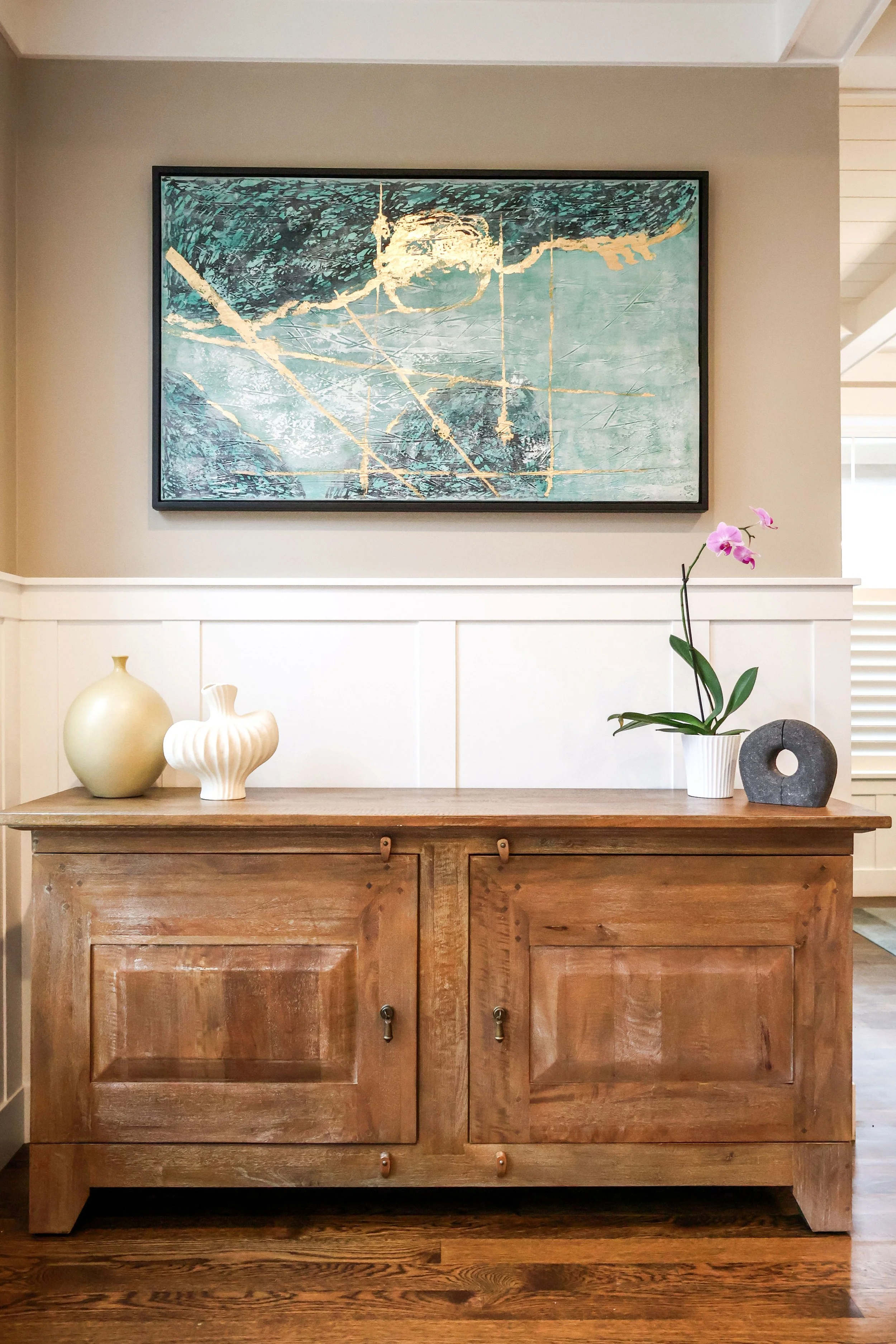
In one of our recent projects, Park Hill Residence, the client already owned this beautiful antique wood buffet cabinet. We introduced modern abstract art with a punch of color and layered in new accessories to refresh the piece. Blending old and new seamlessly to bring renewed life and personality into the home.
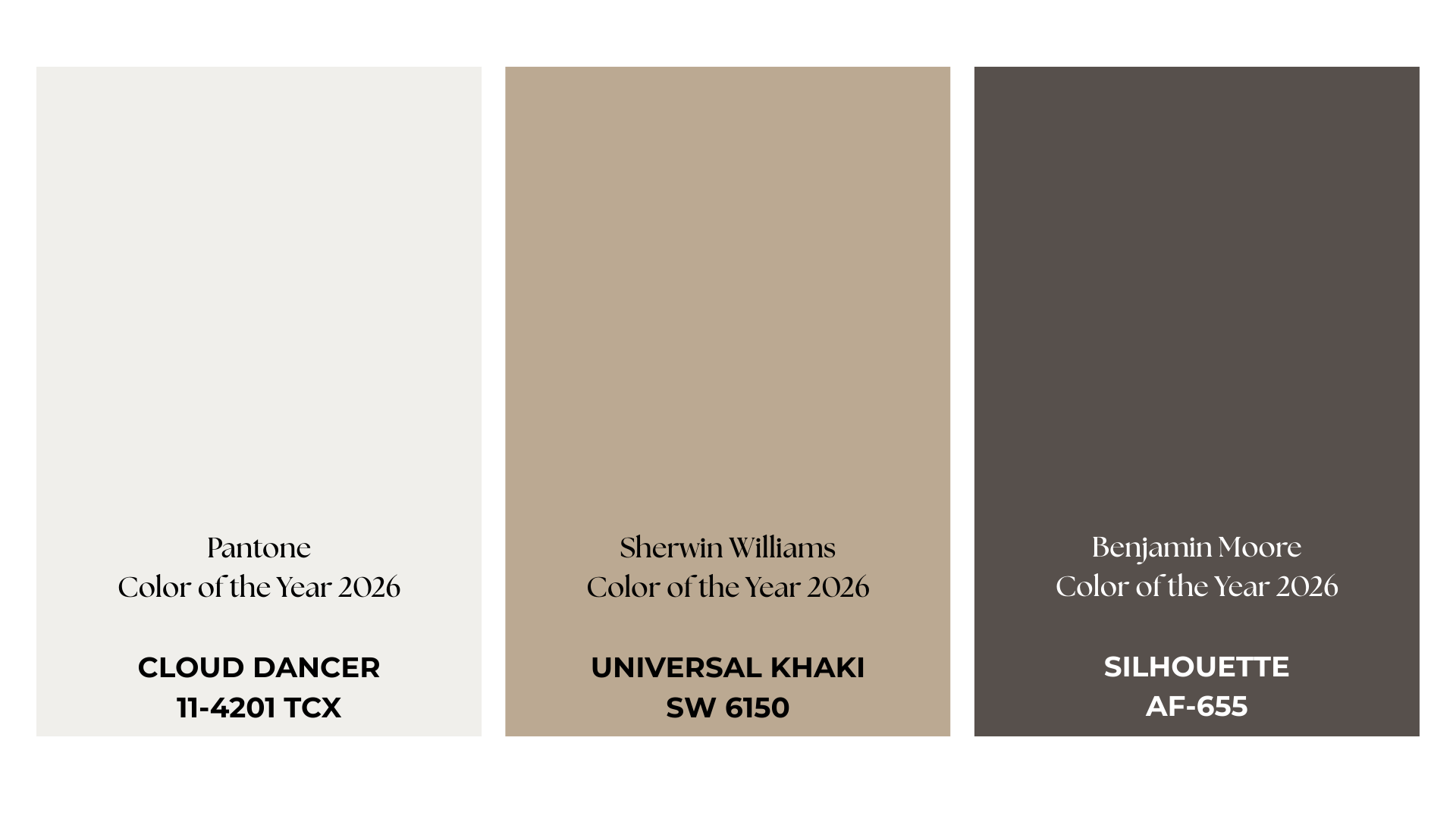
This trend also shows up in color. Benjamin Moore’s brown-toned Color of the Year, Sherwin-Williams’ khaki-forward palette, and Pantone’s warm white all point toward a grounding, earthy foundation. These hues don’t shout they support. They allow bolder choices, louder rugs, collected art, and meaningful objects to take center stage.
Heritage design is also deeply nostalgic. We’re seeing throwback influences everywhere: celestial and cosmic motifs, animal prints, vintage-inspired children’s spaces, and playful references to the past that feel emotional rather than ironic. In uncertain times, our homes are becoming places where we want to feel something—comfort, familiarity, warmth, and even a little whimsy.
Design tip: Heritage design doesn’t require a full renovation. Introducing one vintage piece, a hand-crafted detail, or a meaningful collection can instantly add depth and character.
Texture and Tactility: Designing for the Senses in 2026
Another defining interior design trend for 2026 is a shift toward texture and tactile materials.
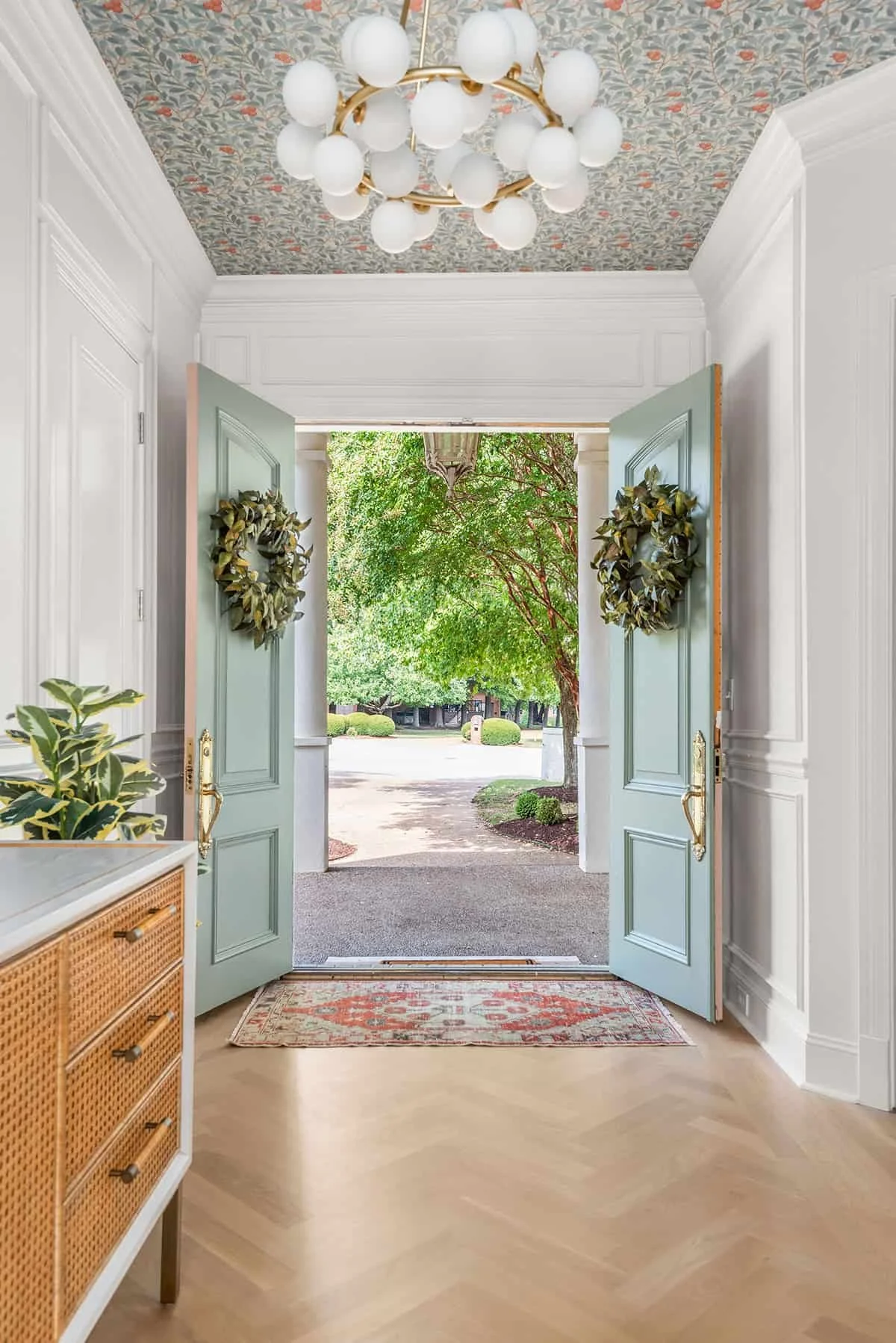
Minimal, ultra-smooth interiors are giving way to spaces that engage the senses. According to Adobe’s design insights, there’s a growing appreciation for imperfection, freeform shapes, and storytelling (even within two-dimensional design). In interiors, this shows up through fluted and reeded woods, terracotta tiles, decorative mosaics, wallpapered ceilings, and organic, natural materials.
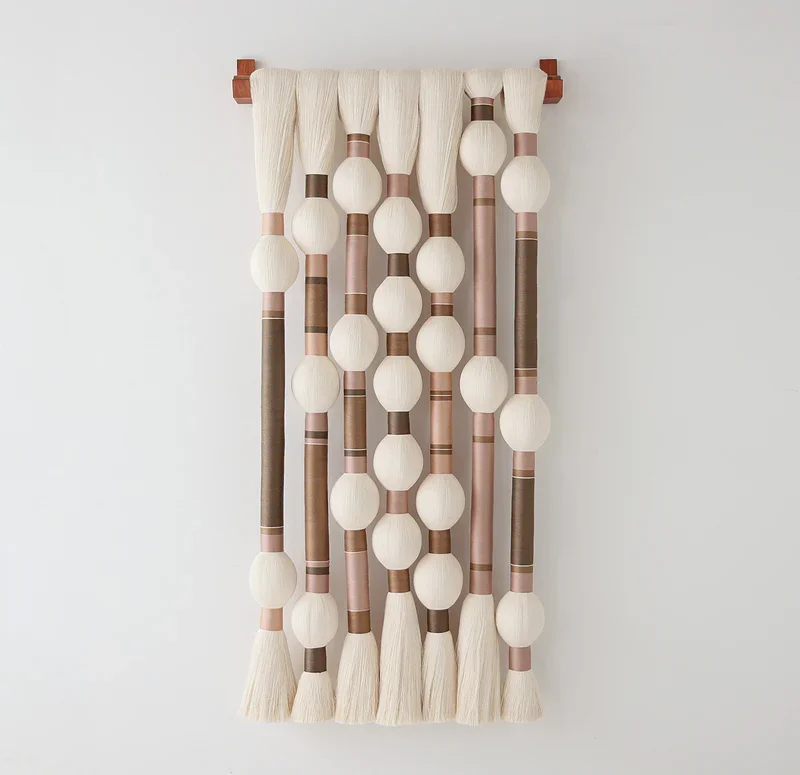
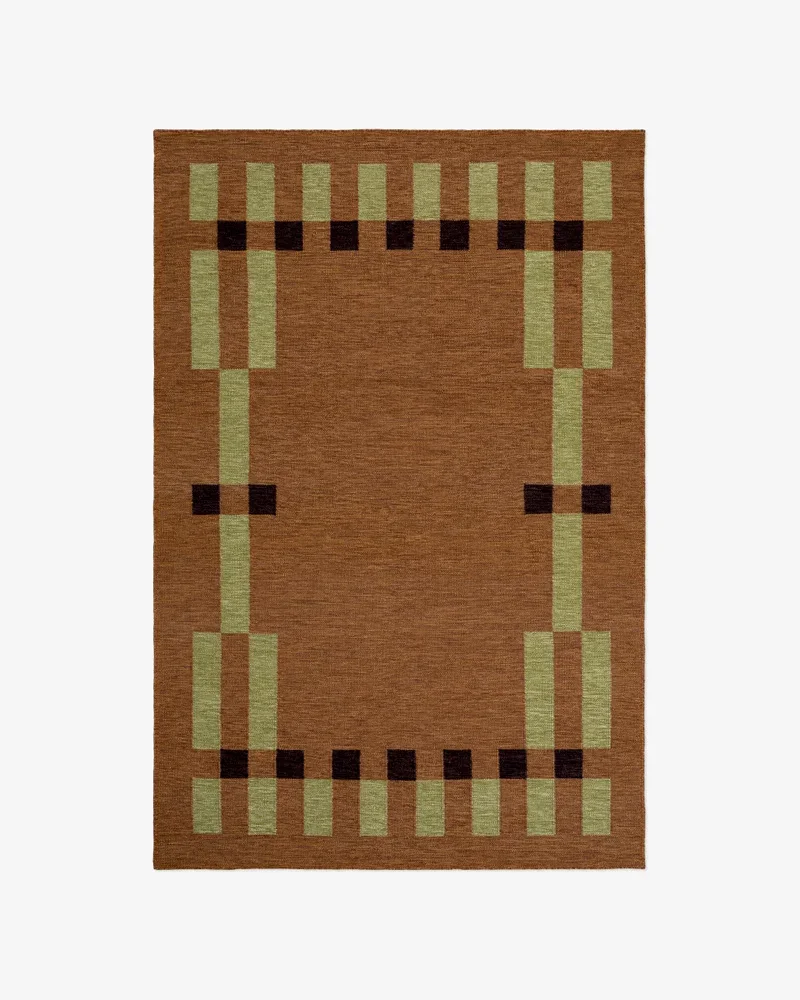
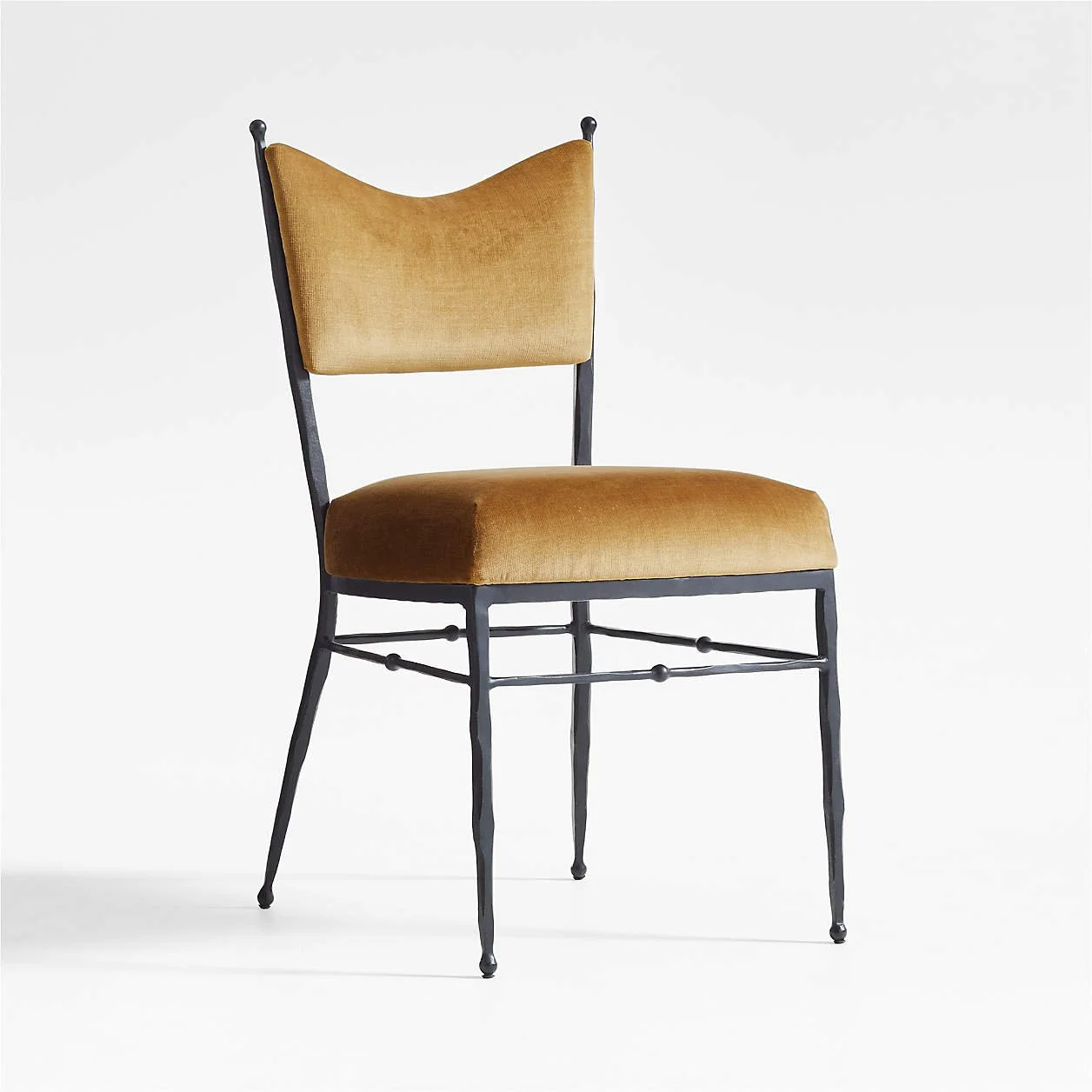
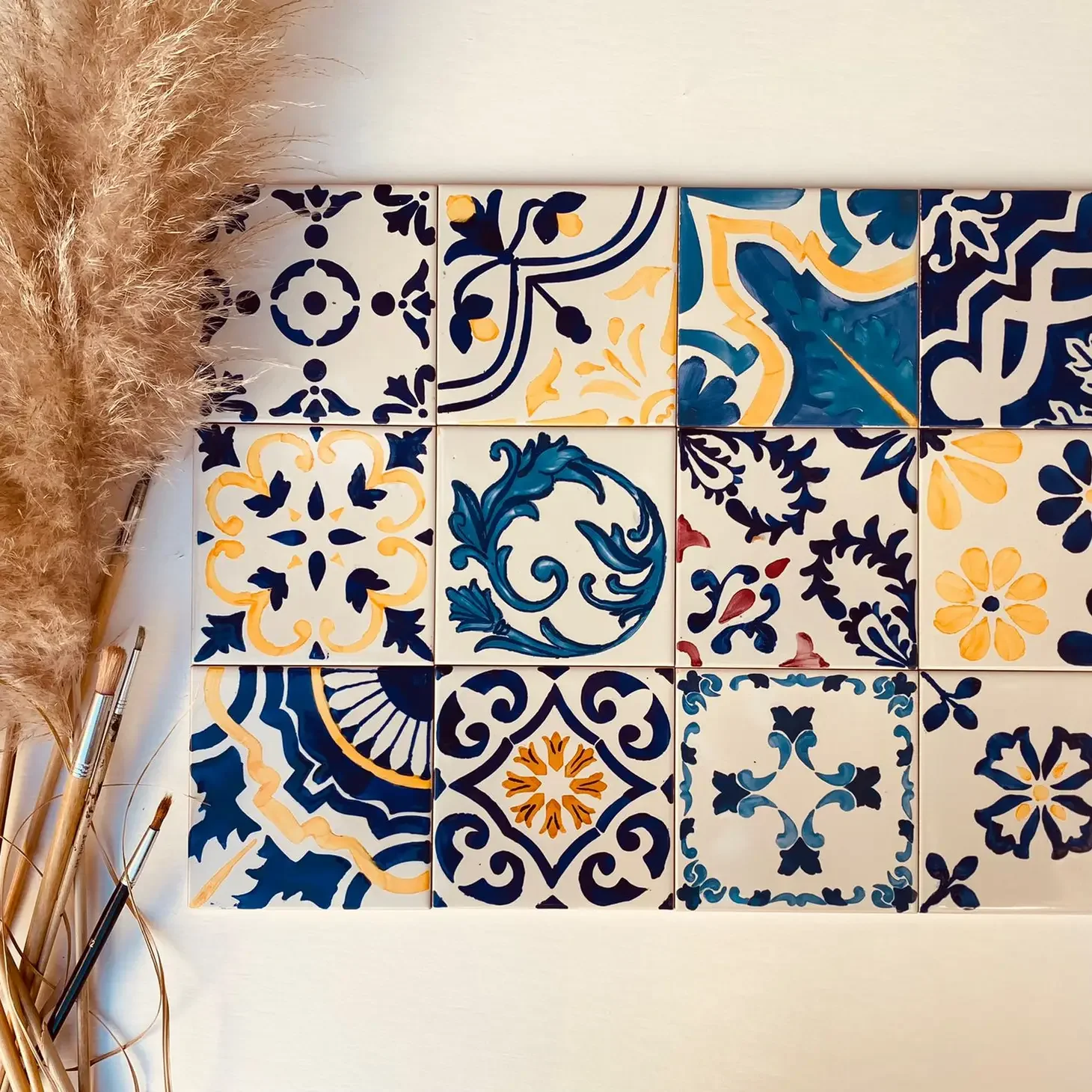
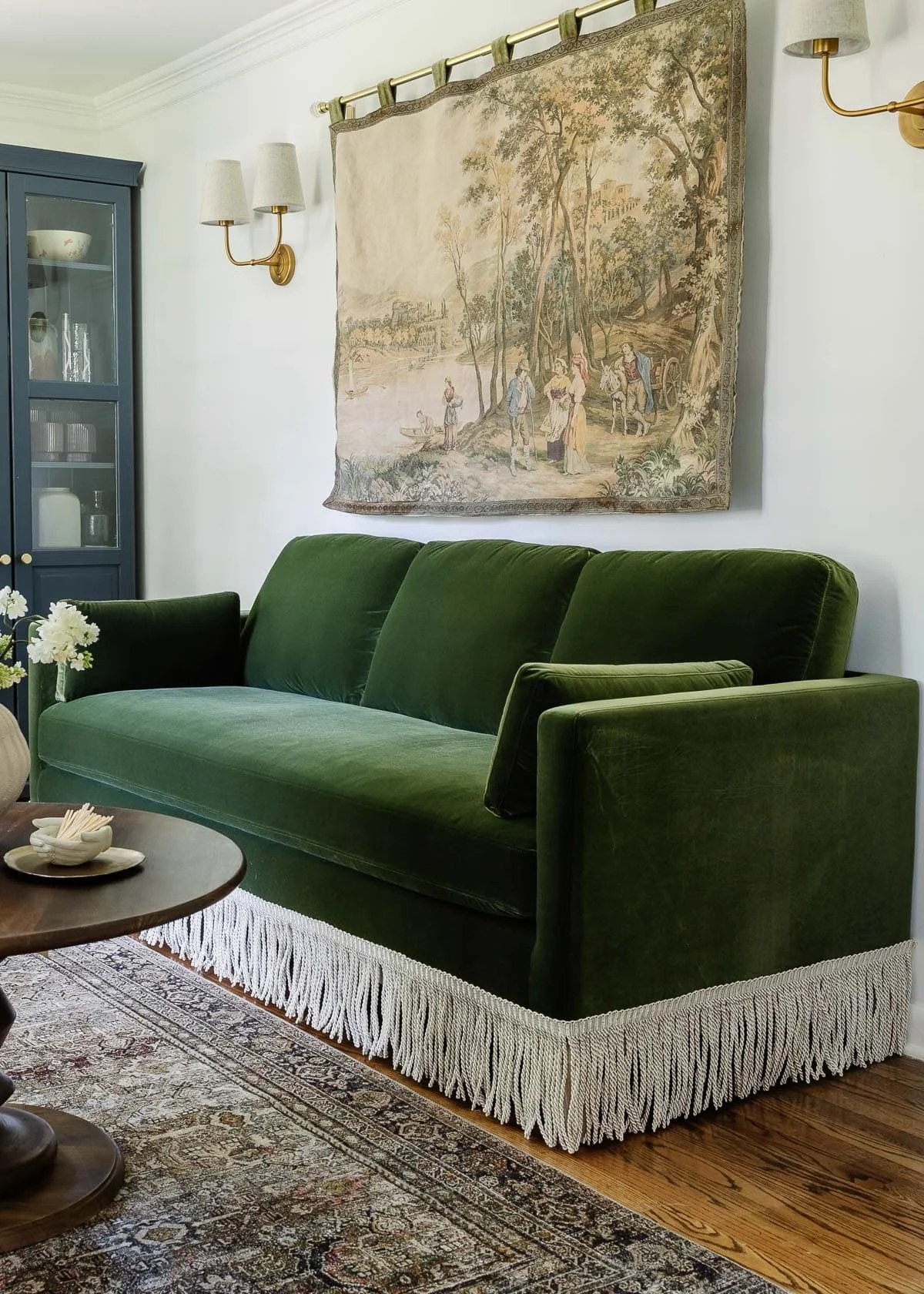
Details matter more than ever. Fringe, skirted furniture, ornate tassels, wall hangings, leather and hide, irregular finishes, and tactile metalwork are being used to add richness and dimension. Furniture is no longer just functional—it’s expressive and artistic.
Pinterest trend signals like “Gimme Gummy,” “Laced Up,” and “Afrohemian Decor” reinforce this movement toward playful, layered textures that feel handcrafted and human.
Decadence and Drama: Embracing Expressive Interiors
While warmth and heritage ground 2026 design trends, there’s also a renewed embrace of decadence and drama.
Jewel tones, oversized sofas, statement occasional chairs, and mirrors used as sculptural art pieces are all on the rise. Influences from neo-deco, romanticism, and theatrical design are shaping interiors that feel immersive and emotionally rich.
Pinterest trends such as “Glamoratti,” “Vamp Romantic,” and “Opera Aesthetic” point toward rooms with character—spaces that are unapologetically expressive and mood-driven.
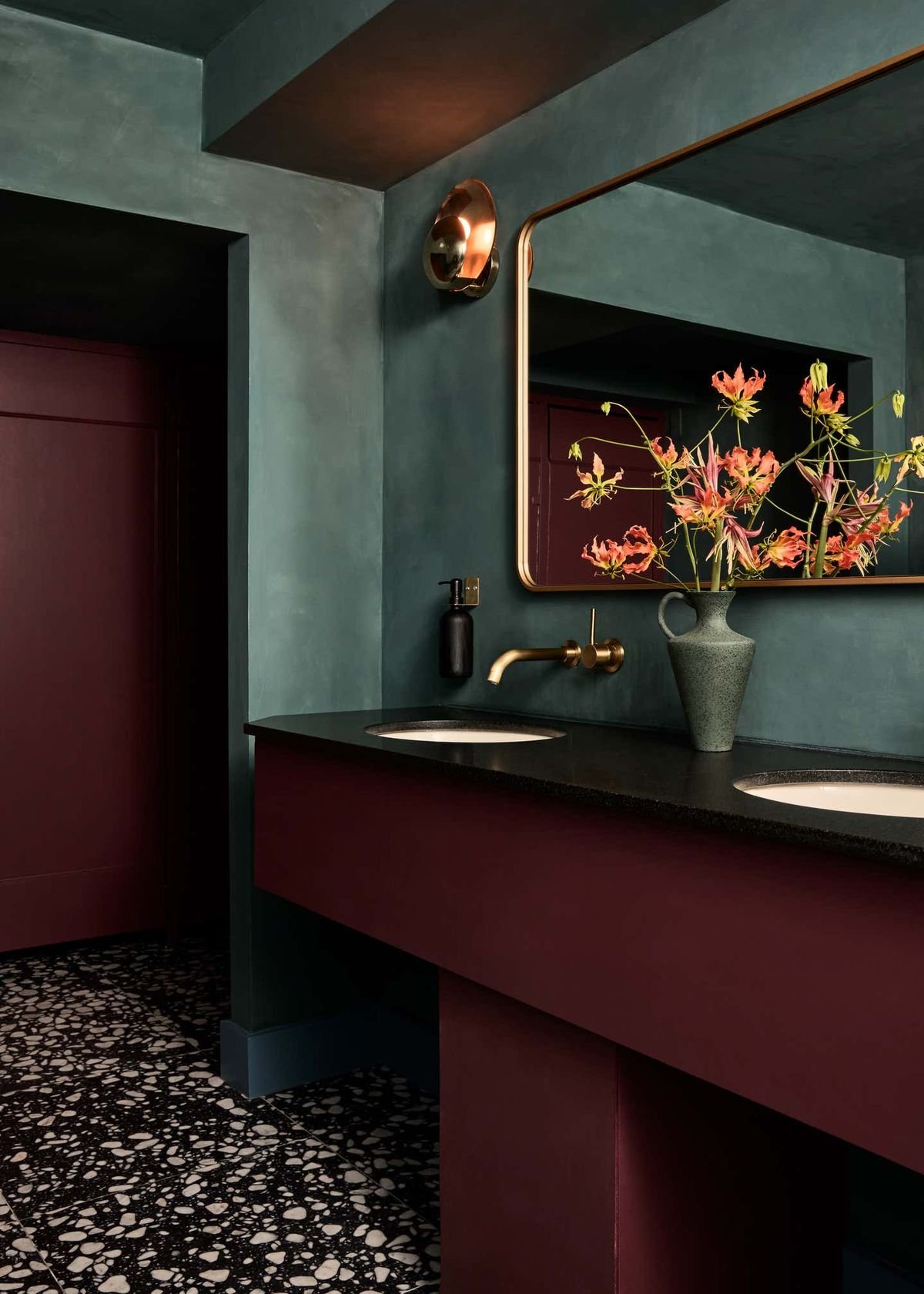
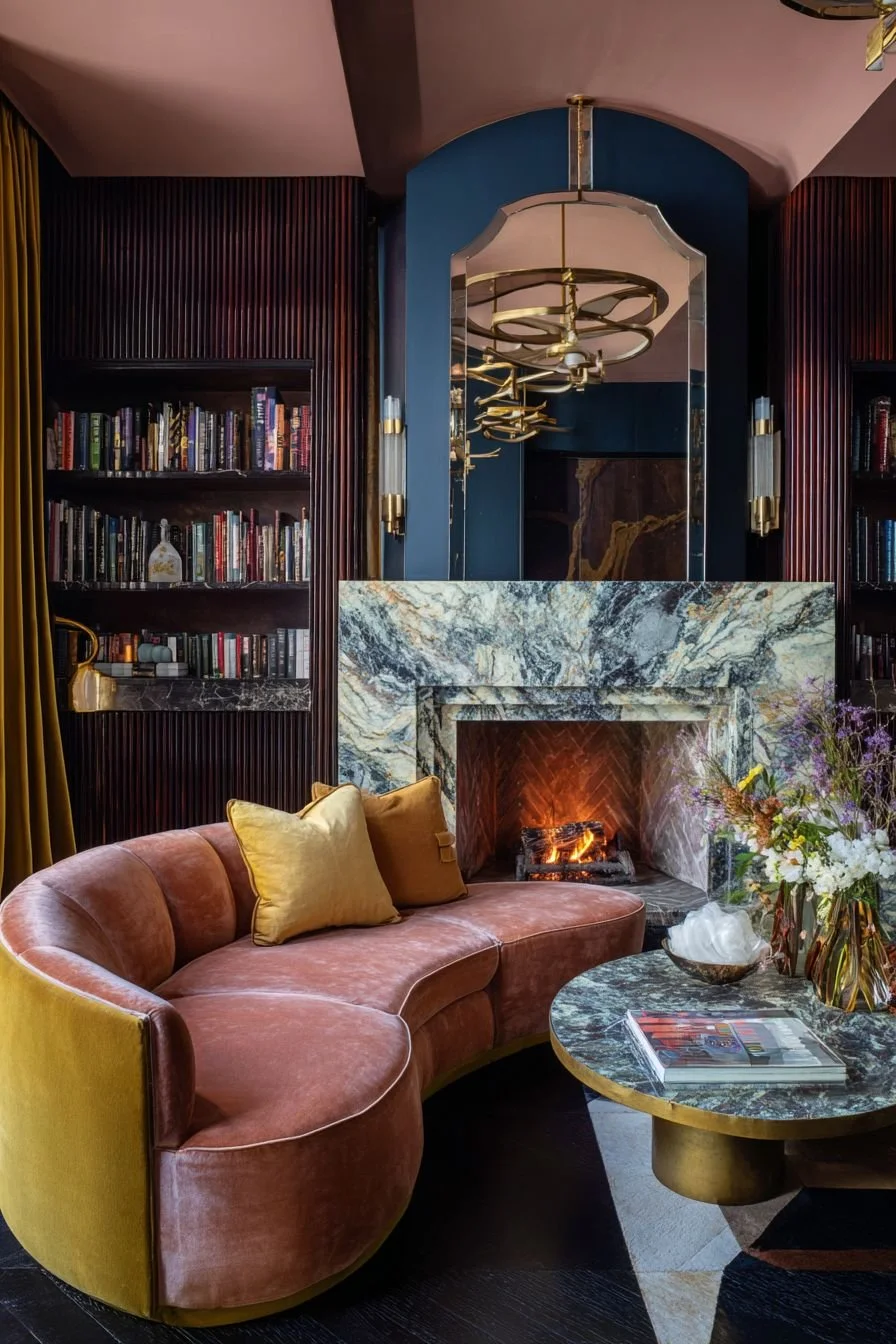
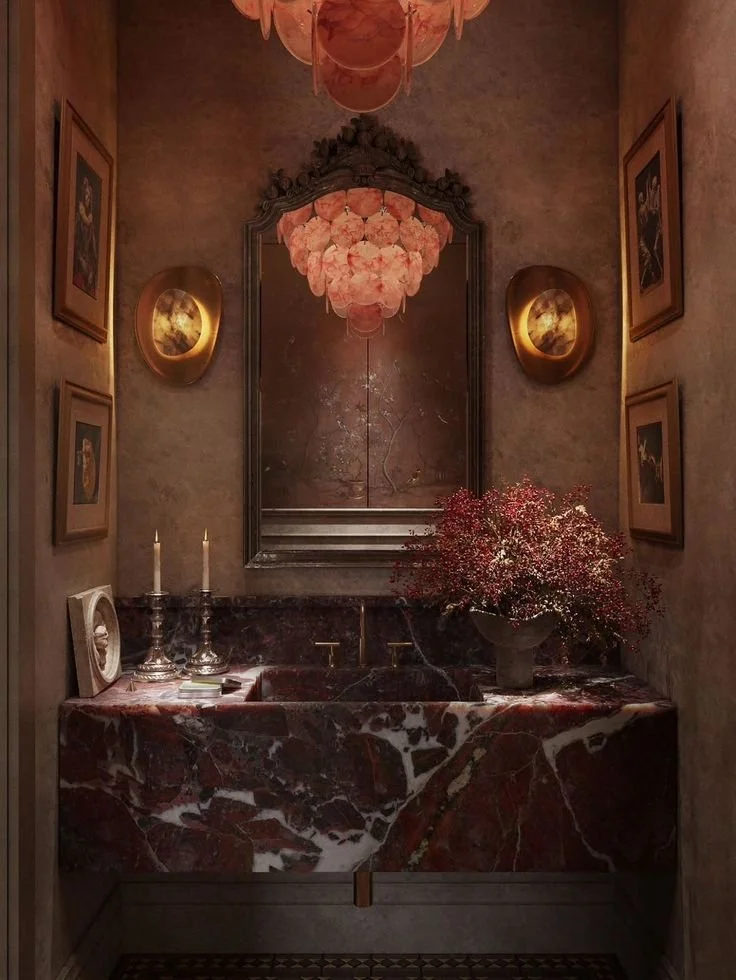
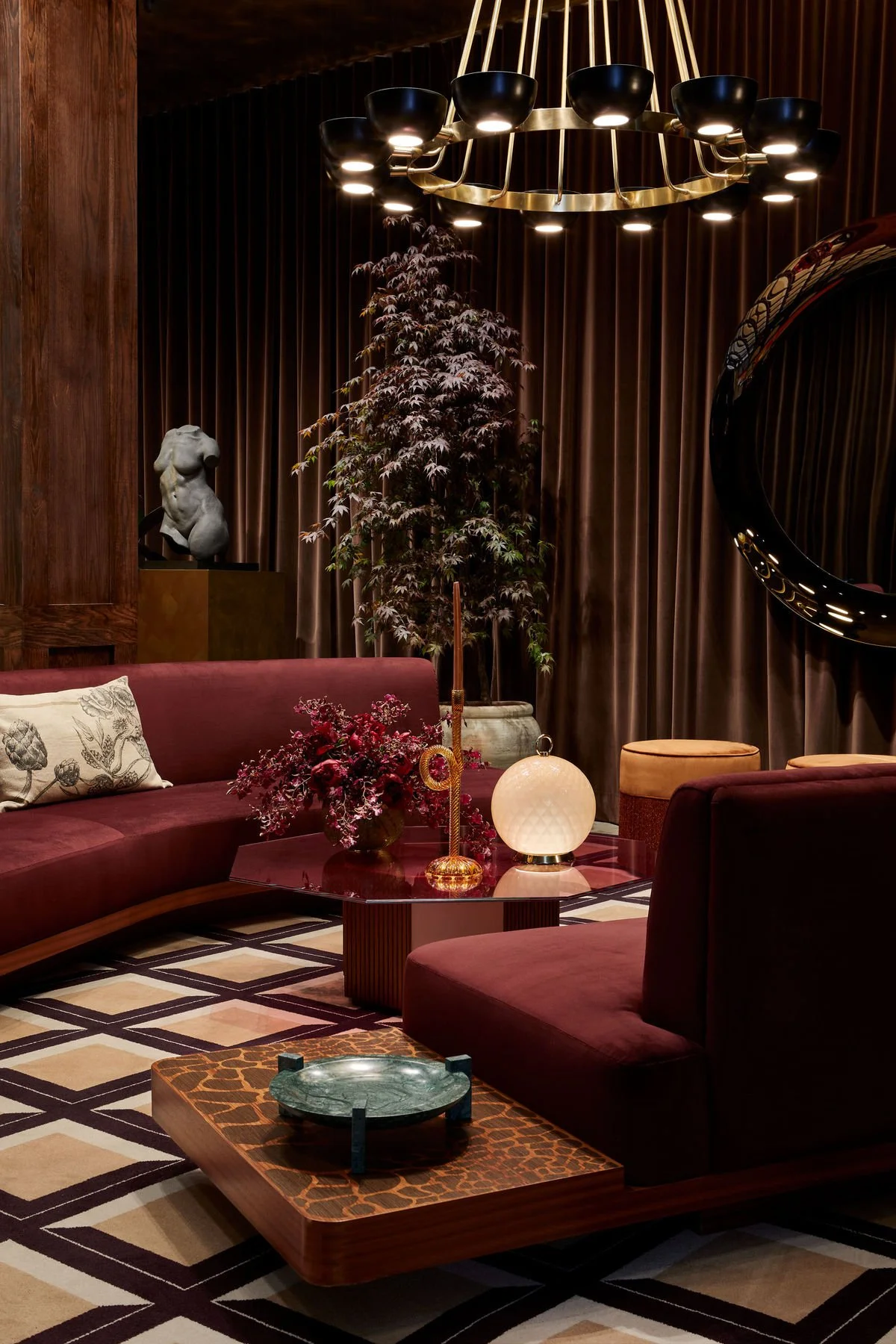
This isn’t about excess for the sake of it. It’s about giving yourself permission to create rooms that feel bold, layered, and uniquely yours. Statement spaces require thoughtful balance. A designer can help ensure dramatic elements feel intentional and timeless rather than overwhelming.
Layering: The Key to Timeless, Personalized Design
If there’s one concept tying together all 2026 interior design trends, it’s layering.
Pattern on pattern. Tonal decorating. Collaged art walls. Mixed eras and styles. Even scent layering—considering how a home smells as much as how it looks—is becoming part of the design conversation.
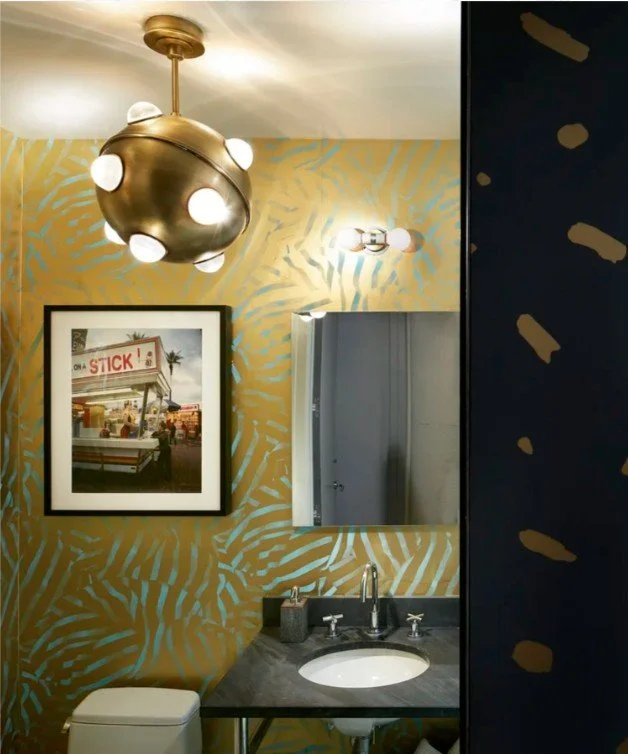
Layering is what transforms a space from styled to soulful. It allows heritage, texture, and decadence to coexist in a way that feels natural and deeply personal.
Maximalist layouts and visually rich spaces are no longer seen as chaotic; they’re celebrated as curated expressions of identity.
Trends, Timelessness, and Trusting Your Instincts
Many of today’s interior design trends are cyclical, rooted in ideas that have appeared before—just reimagined for how we live now. We’re in a nostalgic era, looking to the past to shape our present.
The most important takeaway? If something resonates with you, it belongs in your home.
Not every trend requires a major commitment. You can incorporate elements through accessories, art, textiles, lighting, or a single statement piece. You can mix trends together, blend eras, and evolve your space over time.
And if you want to fully embrace a trend? Go for it. Design is meant to be enjoyed. Your home should support the way you live and reflect who you are. Whether you’re making small updates or reimagining an entire space, thoughtful design can help create a home that feels layered, timeless, and truly your own. No matter which styles, eras, or trends speak to you, our role is to help translate those ideas into a home that feels cohesive, functional, and deeply personal.
That is good design. That is Kali-Lu Interiors.